11Tiger recent-winners desk
How the desk reads recent winners: contest size, captain pick, points haul and the venue context that drove the haul.
A winners desk that reads the contest size, the captain pick, the points haul and the venue context for each recent fixture. The desk treats winners as evidence rather than as a marketing reel.

How the desk reads a winner’s team
Each winner’s team is read on four variables. Contest size: small league, head-to-head, or mega contest. Captain pick: safe, balanced or differential. Points haul: the captain-side haul and the role-side haul. Venue context: the venue note that drove the selection.
The four-variable read is the deck’s working note. The deck does not publish the winner’s exact eleven — that data is not publicly shared by the partner brand — but the four-variable read is enough to confirm or reject the deck’s working methodology.
Contest size and what it rewards
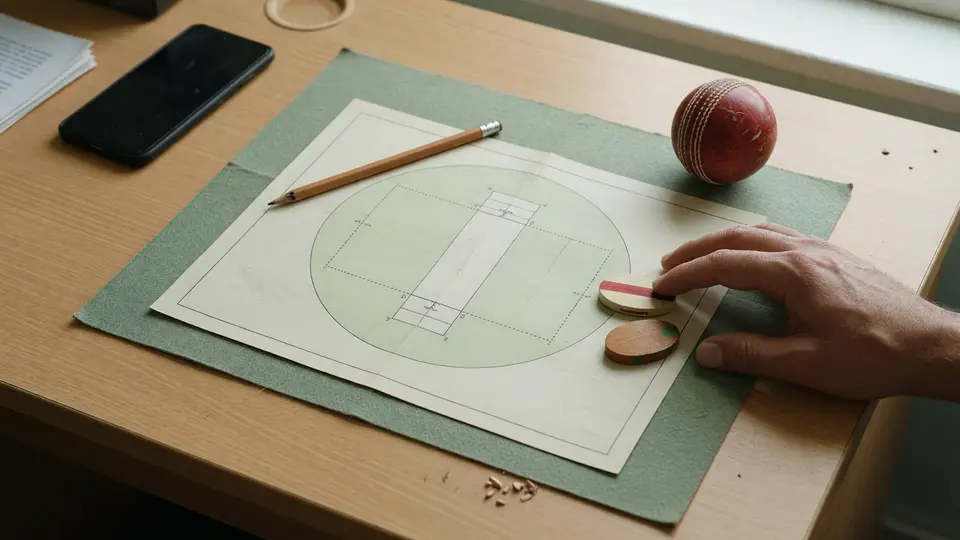
Small leagues (2-5 entries) reward differentials. Head-to-heads (1v1) reward floors. Mega contests (10k+ entries) reward ceilings. The contest size is the variable most often misread on a winner-read because the winner’s exact eleven is rarely published.
The deck reads the winner’s team against the contest size and announces the meta-trend on the news desk. A three-match trend of small-league winners with differential captains is a meta-signal; a five-match trend is a structure.

Venue context that drove the haul
Each fixture’s winners carry a venue context. A winner with a wrist-spin captain at Wankhede on an evening with dew was riding the venue as much as the player form; the captain-matrix rules lift the differential pick on that deck.
The deck publishes the venue context alongside each winner’s read so the reader can match the captain-matrix rule against the contest result. The discipline compounds across a season.
Patterns the desk has read
🪟 Small-league differential wins
A small-league winner with a differential captain pick is the most common winner-read. The deck weights the captain-matrix rule accordingly.
🎯 Head-to-head floor wins
A head-to-head winner with a floor team is the second-most common read. The deck reads the role density as the leading variable.
📈 Mega-contest ceiling wins
A mega-contest winner with a ceiling team is the third-most common. The captain pick is the dominant variable.
🪢 Practice wins
A practice-contest winner is read for validation, not for prediction. The deck’s miss record is published on the points reference.
Frequently asked questions
How does the deck read a winner’s team?
On four variables: contest size, captain pick, points haul and venue context. The four-variable read is the deck’s working note.
Does the deck publish the winning eleven?
No. The partner brand does not publish the winner’s exact eleven. The four-variable read is enough to confirm or reject the deck’s working methodology.
Where is the captain matrix?
On the captain-vice-captain page. The matrix carries the per-venue and per-role picks.
What about practice-contest winners?
A practice-contest winner is read for validation, not for prediction. The miss record is retained on the points reference.
Does the desk predict the next winner?
No. The deck publishes the working methodology. The contest decision belongs to the reader.
Continue reading
Reading checklist
A working checklist for the reader who lands on this page to read the recent-winners desk. The desk reads the contest size, the captain pick, the points haul and the venue context for each fixture; the checklist is a quick way to confirm the four-variable read survives the deck’s discipline check.
Three questions to ask. Is the contest size named for the winner’s read? Is the captain pick aligned with the venue context? Is the points haul grounded in the deck’s points reference rather than a marketing summary?
What the desk does well. The four-variable read is the deck’s working note. The pattern section names the four most common winner-reads. The FAQ section answers the most common follow-up questions.
What the desk is still working on. A reader-side worksheet for the four-variable read. A public table of the deck’s measured per-pattern hit rate.
A reading cadence the desk recommends. Read the page on a quiet afternoon at the start of the cycle. Re-read whenever the deck announces a meta-trend shift on the news desk.

Desk note: what the four-variable read does not tell the reader
The four-variable read on a winner’s team — contest size, captain pick, points haul, venue context — is the deck’s working note. It does not tell the reader which team to pick next fixture.
What it does tell the reader. Whether the deck’s working methodology survived the contest. Whether the captain-matrix rule for that venue is the rule the deck publishes. Whether the role-default for that contest size is the default the deck tracks. Whether the venue-context reading survived the contest’s actual ground behaviour.
What it does not tell the reader. The next contest’s winner. A pattern of differential captains winning small leagues is a meta-signal the deck reads, but the next contest’s winner is a different question. The contest decision belongs to the reader.
What the deck does not publish. The partner brand does not publish the winner’s exact eleven. The four-variable read is grounded in the publicly-checkable material; the deck does not publish the underlying eleven in any form.
Where the reader has a different read on a contest’s four variables, the reader’s strongest move is to send the corrections email; the next refresh reflects reader-submitted evidence on the relevant dimension.

Limits of the four-variable read
The four-variable read on this page is the deck’s working note. Contest size, captain pick, points haul and venue context. A reader who lands on the page from a fresh sign-up should walk the four variables for their next contest; the deck does not publish a guarantee on the four-variable read.
The four-variable read does not predict the next fixture’s winner. A pattern of differential captains winning small leagues is a meta-signal the deck reads, but the next fixture’s contest decision belongs to the reader.
The four-variable read’s miss record is published on the points reference. A reader who applies a four-variable read and loses has applied a discipline that does not promise a return; the miss record is the instrument that holds the read accountable.

Caveats on the winners desk
Three caveats the desk publishes on the winners page. The four-variable read is the desk’s working note; the read is grounded in the publicly-checkable material on each fixture’s winner.
The second caveat: the partner brand does not publish the winner’s exact eleven. The four-variable read is enough to confirm or reject the deck’s working methodology; the deck does not publish the underlying eleven in any form.
The third caveat: the patterns section on this page names the four most common winner-reads the deck has logged. A pattern that survives the deck’s three-month cadence is a meta-signal; a pattern that does not survive the cadence is logged and retired.
A reader who has found a partner-brand-controlled winner-behaviour the deck has not named is welcome to send the corrections email; the next winners-page refresh reflects the new caveat.

Quick reference for the winners desk
The four-variable read on a winner’s team. Contest size, captain pick, points haul and venue context. The four variables are the deck’s working note on each recent fixture’s winner.
The four most common winner-reads the desk has logged. Small-league differential wins. Head-to-head floor wins. Mega-contest ceiling wins. Practice-contest validation wins. Each carries its own captain-matrix reading.
The three-month cadence the deck works with. A pattern that survives the three-month cadence is a meta-signal. A pattern that does not survive the cadence is logged and retired.
The miss record for the four-variable read is published on the points reference. Where the deck’s read on a winner differs from the partner’s published calculation, the partner’s calculation prevails; the deck corrects the read on the corrections cadence.
Closing note from the desk
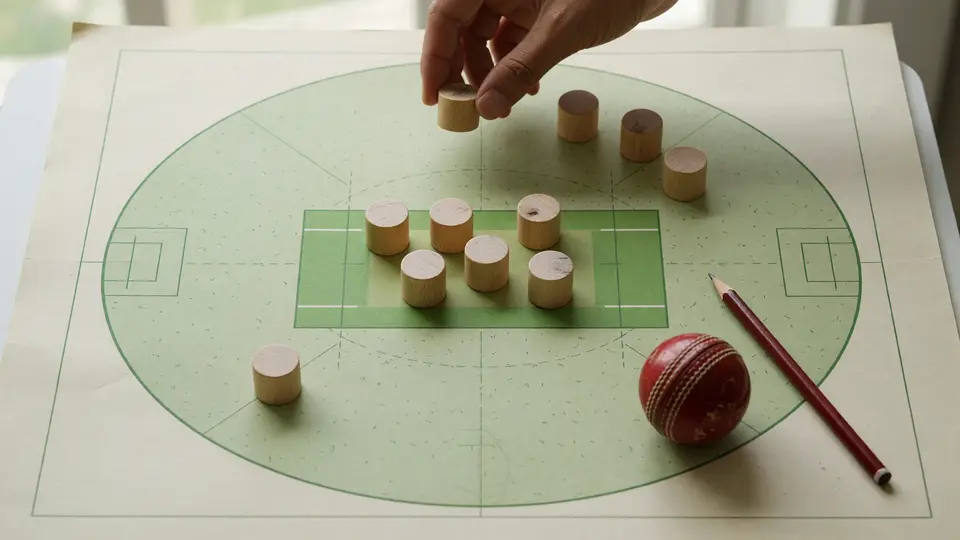
The recent-winners desk closes its read for the week with a note on the contest decision. The desk reads the four variables — contest size, captain pick, points haul and venue context — but the contest decision belongs to the reader. A reader who lands on this page from a fresh sign-up should treat the four-variable read as one input rather than as a forecast.
The desk’s miss record on the four-variable read is published on the points reference. The miss record is the instrument that holds the read accountable; removing it on a hit week would be a standards fail.
The desk’s next refresh is published on the news desk. A reader who wants to follow the refresh cadence should bookmark the post page rather than the desk’s homepage. The trail stays auditable through the post pages.
The deck’s coverage area is published on the about page. A reader who wants a different area of coverage is welcome to send a corrections email with a proposed coverage-area addition. The desk reads every email and the next coverage-area refresh reflects reader-submitted evidence.
The desk’s methodology is published on the how-to-play page and the captain-vice-captain page. A reader who wants to re-walk the methodology should start at the how-to-play page and re-read the captain-matrix rules. The discipline compounds across a season.