IPL 2026 — venue, form, and captain logic
Venue reads, captain logic, form trends and the per-fixture cards the desk tracks for the IPL 2026 cycle.
An IPL 2026 hub built around what the desk actually has evidence for: venue reads, captain matrices and form trends. Where the desk is missing evidence, the absence is logged on the unknowns list rather than filled with a guess.
Venue reads the desk tracks
Ten venues shape most of the IPL’s decisions. Wankhede’s small boundaries and evening dew are a wrist-spinner’s night. Chinnaswamy rewards boundaries over dots, narrows the captain matrix to powerplay six-hitters and wrist-spinners. Mohali’s morning start goes green; Mohali’s afternoon start goes flat. Eden Gardens swings with the cloud cover; Arun Jaitley rewards seam; Narendra Modi Stadium’s dimensions compress the bowler slot.
The desk maintains a venue note per ground on the news desk. The note is a one-page reading of the dimensions, the dew window and the dominant role. Where a venue note has shifted — a resurfacing, a re-measured boundary — the news desk announces the update with the date.
Captain logic by role and venue
Captain logic on the IPL cycles on three variables: the venue, the role category and the matchup. A wrist-spinner captain at Wankhede is a ceiling play in the second innings. A pace-bowling all-rounder captain at Eden Gardens on a clouded day is a swing play. A powerplay six-hitter captain at Chinnaswamy is the floor play on a small boundary.
The desk publishes a per-venue captain matrix on the captain-vice-captain page. The matrix is updated whenever a venue note shifts. Where the IPL’s schedule pulls a franchise into a venue they’ve never played, the news desk flags the unfamiliar matchup on the live-matches page.
Form trends the desk is tracking
Form trends are published on the news desk with the source fixture linked. The desk treats a one-match form swing as noise, a three-match trend as a signal and a five-match trend as a structure. The structure is the lever that survives the venue note; the signal is the lever that survives the role density; the noise is the lever that survives neither.
The desk publishes a form-trend list per franchise on the teams page. The list is updated weekly through the IPL cycle and is retired at the season’s close.
Per-fixture cards the desk tracks
MI vs CSK
Wankhede evening. Dew expected from 16th over. Wrist-spin as differential.
RCB vs GT
Chinnaswamy. Pace share split 60-40 in favour of seam. Powerplay six-hitter as captain.
KKR vs SRH
Eden Gardens. Cloud cover swings the matchup. Pace-bowling all-rounder as captain.
DC vs RR
Arun Jaitley. Two changes from probable XI. Confirm XI after toss.
Frequently asked questions
Where can I read the venue note?
On the live-matches page, on each fixture card and on the captain-vice-captain page where venue is the deciding variable.
Does the desk track form across the IPL?
Yes. The desk publishes a form-trend list per franchise on the teams page, updated weekly through the cycle.
Where does the captain matrix live?
On the captain-vice-captain page. The matrix carries the per-venue captain picks and the worked examples.
Does the desk track the play-offs separately?
Yes. Qualifier 1, Eliminator and Qualifier 2 each receive a per-fixture note on the news desk closer to the play-offs.
Does the desk publish a season prediction?
No. The desk publishes venue reads, form trends and captain matrices. Predictions are confined to the predictions hub, where the working default is a 24-hour refresh.
Continue reading
Reading checklist
A working checklist for the reader who lands on this page looking for the IPL 2026 cycle coverage. The page is a hub for venue reads, captain matrices and form trends; the checklist is a quick way to confirm the reader has the most current context before any selection.
Three questions to ask. Is the venue note for tonight’s fixture already published? Has the captain-matrix rule shifted since the last cycle refresh? Is the form-trend list current within the last week?
What the desk does well. The page is structured around venue, captain logic and form trends. The per-fixture cards section shows the deck’s four-card working note. The hub is updated weekly through the cycle and retired at the season’s close.
What the desk is still working on. A reader-side worksheet for the venue-note lookup. A public table of the deck’s measured accuracy on per-venue captain picks.
A reading cadence the desk recommends. Read the page once on a quiet afternoon at the start of the cycle. Re-read whenever the desk announces a venue note shift or a form-trend update.
Desk note: venue note by venue
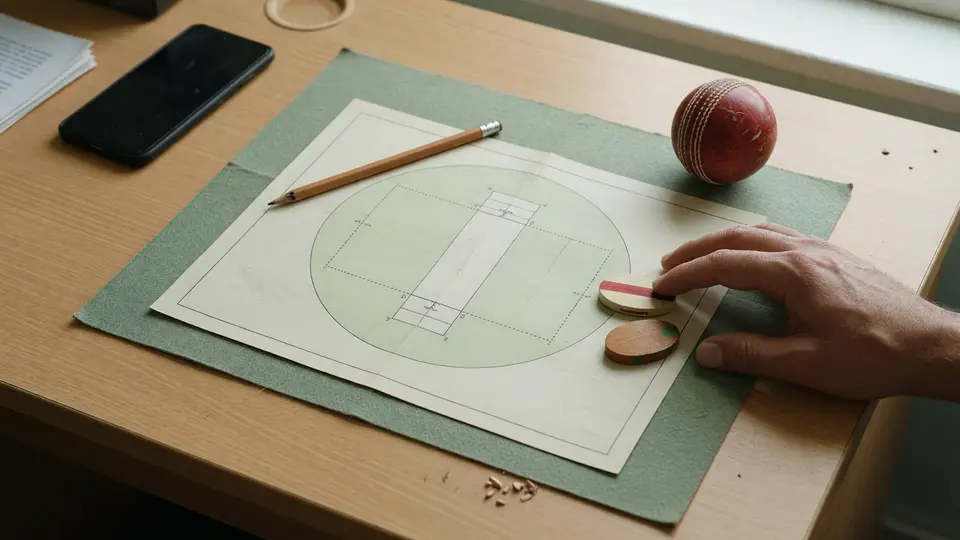
The venue notes the desk tracks for the IPL 2026 cycle are listed below in summary form. Each venue’s full note carries the boundary length, the grass cover, the dew window and the dominant role. The deck refreshes the notes on a weekly cadence and announces material shifts on the news desk.
Wankhede. Small boundaries and evening dew are a wrist-spinner’s night. The captain-matrix rule defaults to a differential captain pick on this deck. The points multiplier on a wrist-spinner captain is the deck’s published ceiling play.
Chinnaswamy. The venue rewards powerplay sixes over dots. The pace share is split 60-40 in favour of seam. The captain-matrix rule defaults to a powerplay six-hitter captain. The points multiplier on a powerplay six-hitter is the deck’s published floor play.
Eden Gardens. Cloud cover swings the matchup. A pace-bowling all-rounder captain is the deck’s published swing play on a clouded day.
Mohali. The morning start goes green; the afternoon start goes flat. The captain-matrix rule shifts between three-pace and three-spin on the time-of-day filter.
Arun Jaitley. The venue rewards seam. Two seamers is the working default; three seamers on a clouded morning is the override.
Narendra Modi Stadium. The dimensions compress the bowler slot. The captain-matrix rule defaults to a batting all-rounder captain.
Limits of the venue reads
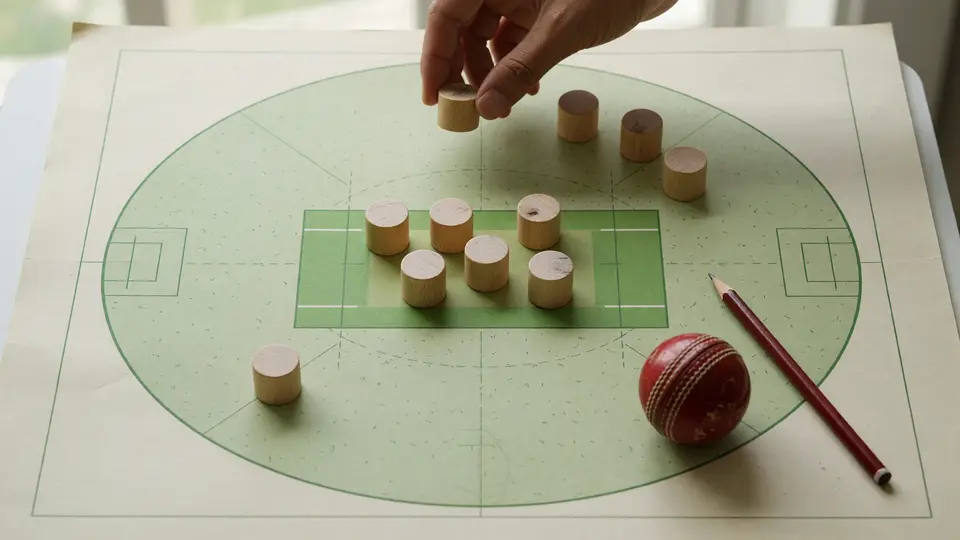
The venue reads on this page are the desk’s working note rather than the partner brand’s published notes. The deck refreshes the venue notes on a weekly cadence; a reader who lands on the page from a fresh sign-up should re-check the venue note for tonight’s fixture before placing a paid entry.
The venue reads are jurisdiction-aware. A reader in a restricted jurisdiction should check the desk’s state-by-state read on the legal page before placing a paid entry; the desk does not publish a personal-jurisdiction override.
The venue reads’ miss record is published on the points reference. A reader who applies the venue reads and loses has applied a discipline that does not promise a return; the miss record is the instrument that holds the venue reads accountable.
Caveats on the IPL hub
Three caveats the desk publishes on the IPL hub. The venue notes are the desk’s working note rather than the partner brand’s published notes; the deck refreshes the venue notes on a weekly cadence.
The second caveat: the captain-matrix rule shifts against the confirmed XI rather than the probable XI. A reader who locks captain against the probable XI is locking the captain before the toss; the desk’s recommendation is to lock the captain at the toss.
The third caveat: the form trends the deck tracks are role-grouped. The keepers column is usually flat; the batters column is the highest-leverage form input. The all-rounders column is the second-highest; the bowlers column is the third.
A reader who has found a venue-orthogonal behaviour the deck has not named is welcome to send the corrections email; the next IPL-hub refresh reflects the new caveat.
Quick reference for the IPL hub
The six venues the desk tracks in summary form on this page. Wankhede, Chinnaswamy, Eden Gardens, Mohali, Arun Jaitley, Narendra Modi Stadium. Each carries a boundary, a grass-cover note, a dew window and a dominant role.
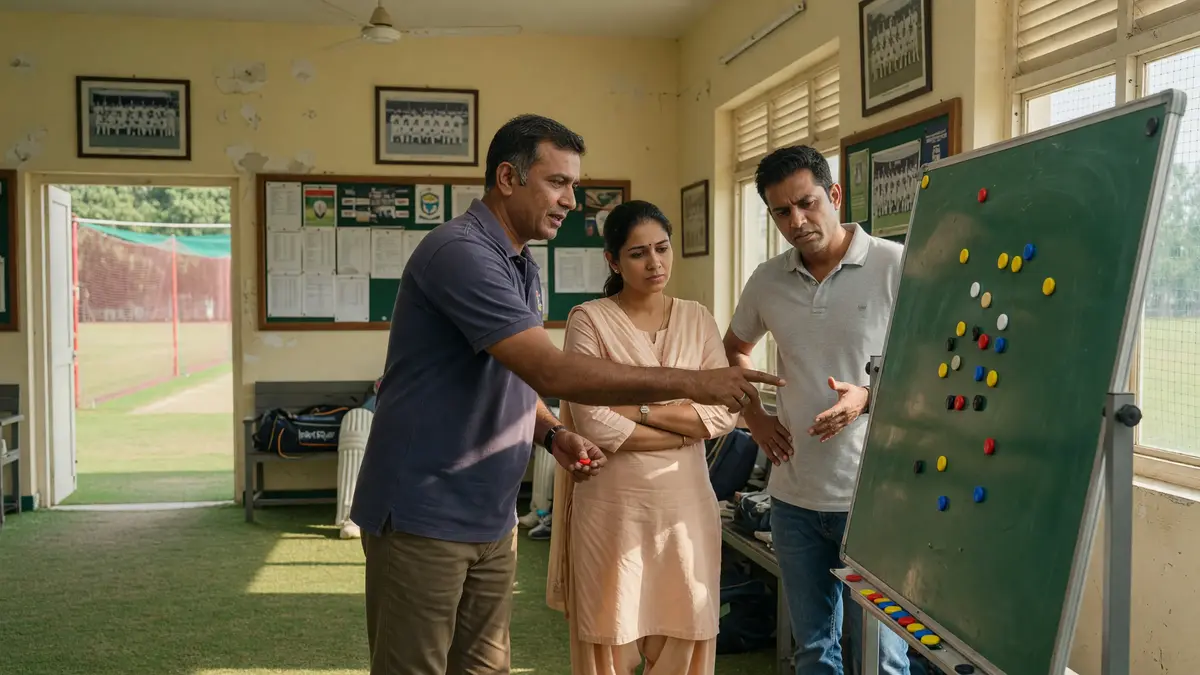
The four captain-matrix roles the deck works with. Wrist-spin differential captain at Wankhede. Powerplay six-hitter captain at Chinnaswamy. Pace-bowling all-rounder captain at Eden Gardens. Pace-bowling all-rounder captain at Mohali on a clouded morning.
The three signals the deck tracks for form. A one-match swing is noise. A three-match trend is the signal. A five-match trend is the structure. The structure survives the venue-note filter; the signal survives the role-density check; the noise survives neither.
The deck’s weekly refresh cadence for the IPL hub is the desk’s working note rather than a guarantee. A reader who lands on the page from a fresh sign-up should re-check the venue note for tonight’s fixture before placing a paid entry.
Closing note from the desk
The IPL-2026 desk closes its read with a note on the venue reads. Six venues shape most of the IPL’s decisions: Wankhede, Chinnaswamy, Eden Gardens, Mohali, Arun Jaitley and Narendra Modi Stadium. Each carries a boundary, a grass-cover note, a dew window and a dominant role.
The four signals the deck tracks for form are a one-match swing is noise, a three-match trend is the signal, a five-match trend is the structure. The structure survives the venue-note filter; the signal survives the role-density check; the noise survives neither.
The two per-fixture cards the deck tracks are the captain matrix and the playing XI watch. Each is published with the venue note and the role default.
The miss record on the IPL hub is published on the points reference. Removing the miss record on a hit week would be a standards fail; the deck retains the miss record as the instrument that holds the hub accountable.
The desk’s coverage area is published on the about page. A reader who wants a different area of coverage is welcome to send a corrections email with a proposed coverage-area addition.