11Tiger teams desk
Per-franchise working notes: squad shape, role density, captain trend and venue context for the IPL 2026 cycle.
A teams desk that publishes a per-franchise working note rather than a marketing summary. The working note covers squad shape, role density, captain trend and venue context.
Squad shape
Each franchise carries a different squad shape into the cycle. Some carry four seamers and a wrist-spinner; some carry three seamers, a finger-spinner and a wrist-spinner. The squad shape sets the working default for any selection on that franchise’s fixture.
The deck publishes a per-franchise squad-shape note on this page. Where a squad shape has shifted — a buy-back at the auction, a release in the retention window — the deck announces the shift on the news desk.
Role density
Role density is the number of players the franchise can field in each role. A squad with three all-rounders holds a deep role density; a squad with one all-rounder holds a thin role density and is locked into the player the desk names in the captain matrix.
Role density is the first input to the role default. A thin-density squad pushes the role default toward 5-6 batters and 2 bowlers; a deep-density squad can hold a 3-3-4 balance across most fixtures. The deck publishes the density note per franchise.
Captain trend
Each franchise carries a captain trend into the cycle. The trend is the player the deck names as captain most often, with the differential picks reserved for venue-specific fixtures. The captain trend is published on this page and updated when the deck’s working note changes.
Where a captain has been benched, or where the captain is a late tournament call, the deck announces it on the live-matches page rather than here. The teams page carries the working note; the live-matches page carries the live call.
Venue context
Wankhede
Evening dew from 16th over. Wrist-spinner as differential. Small boundaries lift sixes.
Chinnaswamy
Powerplay sixes reward boundaries over dots. Pace share split 60-40 in favour of seam.
Eden Gardens
Cloud cover swings the matchup. Pace-bowling all-rounder as captain.
Mohali
Morning start goes green; afternoon start goes flat. Pace + spin mix favours three pace options.
What the desk’s working note covers
📐 Squad shape
Number of seamers, spinners, all-rounders, wicket-keepers, and the bench composition.
⚖️ Role density
How deep the franchise can go in each role before the playing XI is exposed.
🎯 Captain trend
The captain the deck names most often, with venue-specific differentials.
🏟 Venue context
The per-venue captain pick and the role default the venue demands.
Frequently asked questions
Where can I read the per-franchise working note?
On this page. The deck publishes a squad shape, role density, captain trend and venue context for each franchise.
How often is the working note refreshed?
Weekly through the IPL cycle. Material shifts — a buy-back, a release, an injury — are announced on the news desk.
Where is the captain matrix published?
On the captain-vice-captain page. The matrix carries the per-venue and per-role picks.
Does the desk cover overseas rotation?
Yes. Overseas rotation is one of the swaps the deck reads at the toss and announces on the live-matches page.
Does the desk publish a season prediction?
No. The desk publishes venue reads, role density and captain trends. Predictions are confined to the predictions hub.
Continue reading
Reading checklist
A working checklist for the reader who lands on this page to read the per-franchise working notes. The page covers squad shape, role density, captain trend and venue context in one read; the checklist is a quick way to confirm the working note is current for the reader’s franchise of interest.
Three questions to ask. Has the squad shape shifted since the last cycle refresh? Is the role density deep enough to hold a 3-3-4 default? Is the captain trend aligned with the venue context for tonight’s fixture?
What the desk does well. The page is structured around squad shape, role density, captain trend and venue context. The four working notes are updated weekly through the cycle. The per-fixture cards section covers the four example matchups.
What the desk is still working on. A reader-side worksheet for the per-franchise working-note lookup. A public table of the deck’s measured per-franchise role-density shift.
A reading cadence the desk recommends. Read the page once on a quiet afternoon at the start of the cycle. Re-read whenever the desk announces a squad-shape or role-density shift.
Desk note: squad-shape shifts the deck tracks
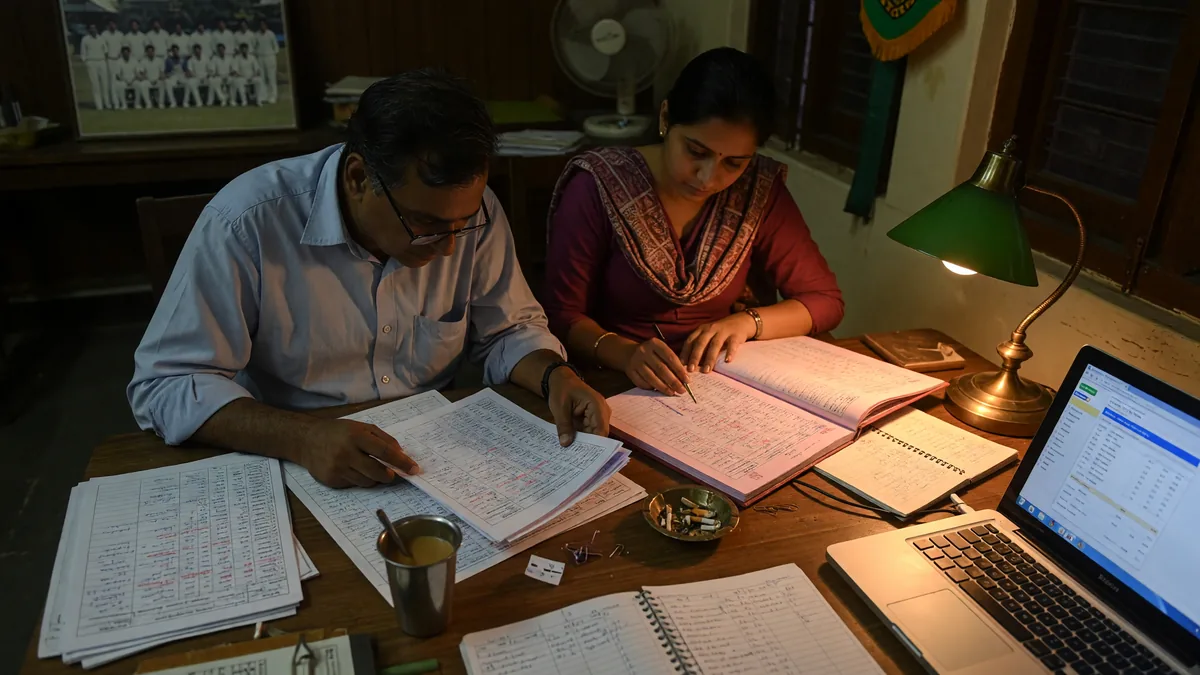
The squad-shape shifts the deck tracks for the IPL 2026 cycle are listed below in summary form. Each shift triggers a working-note update and a news-desk announcement.
Buy-back at the auction. A franchise’s buy-back at the auction locks in a player rather than re-auctioning the slot. The squad-shape shift is recorded in the deck’s working note, and the captain-matrix rule for the franchise is updated to reflect the locked-in player.
Release in the retention window. A release in the retention window is a squad-shape shift in the opposite direction. The release triggers a working-note update and a news-desk announcement; the captain-matrix rule for the franchise may shift in the next cycle’s open auction.
Auction buy. An auction buy outside the retention window is a fresh slot allocation. The squad-shape shift is recorded and the role default for the franchise is updated.
Trade between cycles. A trade between cycles is a squad-shape shift that affects two franchises. The deck records the trade and updates the working note for both. The trade is announced on the news desk with the affected franchises and the role default for each.
Overseas quota move. An overseas quota move — a franchise rotating between four and five overseas slots — is a squad-shape shift that affects the captain-matrix rule’s allocation between overseas and Indian players.

Limits of the working note
The working note on this page is the desk’s reading of each franchise’s squad shape, role density, captain trend and venue context. The note is updated on a weekly cadence through the cycle; a reader who lands on the page mid-cycle should re-check the note for the franchise they are about to enter.
The working note does not predict the next fixture’s winner. A pattern of differential captains winning small leagues is a meta-signal the deck reads, but the next fixture’s contest decision belongs to the reader.
The working note’s miss record is published on the points reference. A reader who applies the working note and loses has applied a discipline that does not promise a return; the miss record is the instrument that holds the note accountable.
Caveats on the teams page
Three caveats the desk publishes on the teams page. The working note on each franchise is the desk’s reading; the deck refreshes the note on a weekly cadence through the cycle.
The second caveat: the squad-shape shifts the deck tracks are listed in summary form on this page; the full note on each franchise lives on a separate per-team page or on the cycle’s working-file summary.
The third caveat: the captain trend on each franchise is the player the deck names most often. The trend is updated when the working note changes; the venue-specific differentials are reserved for venue-specific fixtures.
A reader who has found a franchise-behaviour the deck has not named is welcome to send the corrections email; the next teams-page refresh reflects the new caveat.
Quick reference for the teams page
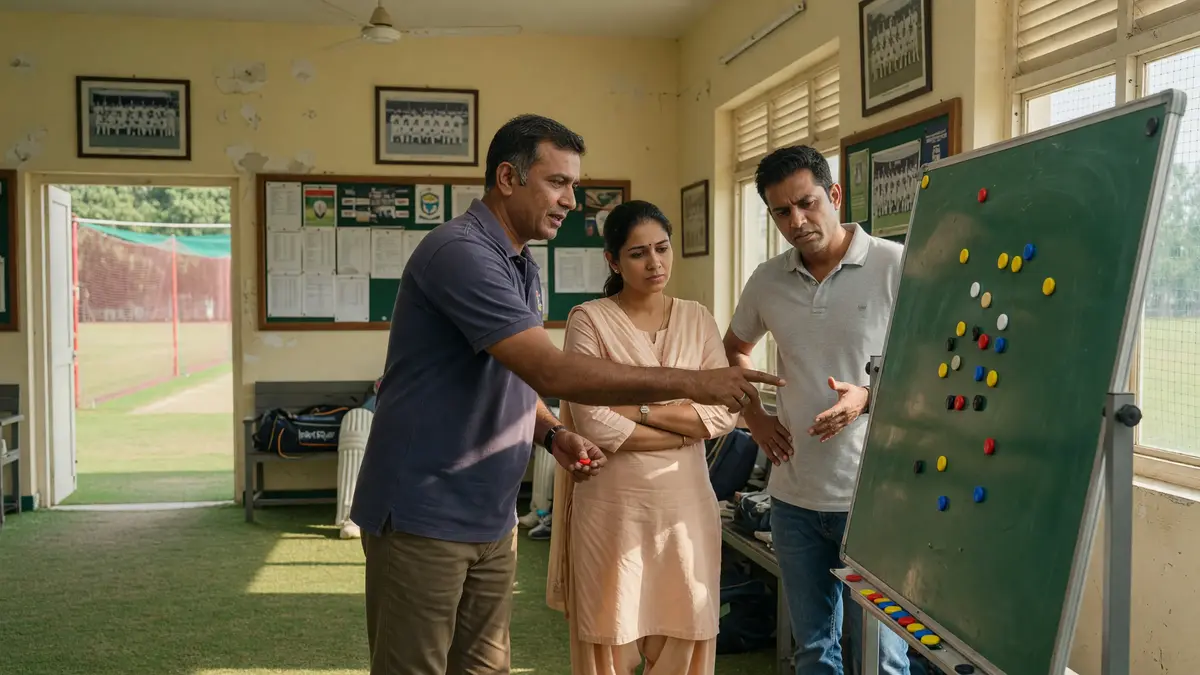
The four working-note sections per franchise. Squad shape. Role density. Captain trend. Venue context. Each is updated on the weekly cadence through the IPL cycle.
The three squad-shape shifts the deck tracks. Buy-back at the auction. Release in the retention window. Auction buy outside the retention window. Each triggers a working-note update and a news-desk announcement.
The two captain-trend rules the deck works with. The captain trend is the player the deck names most often. The venue-specific differentials are reserved for venue-specific fixtures.
The miss record for the per-franchise working note is published on the points reference. Removing the miss record on a hit week would be a standards fail; the deck retains the miss record as the instrument that holds the working note accountable.
Closing note from the desk
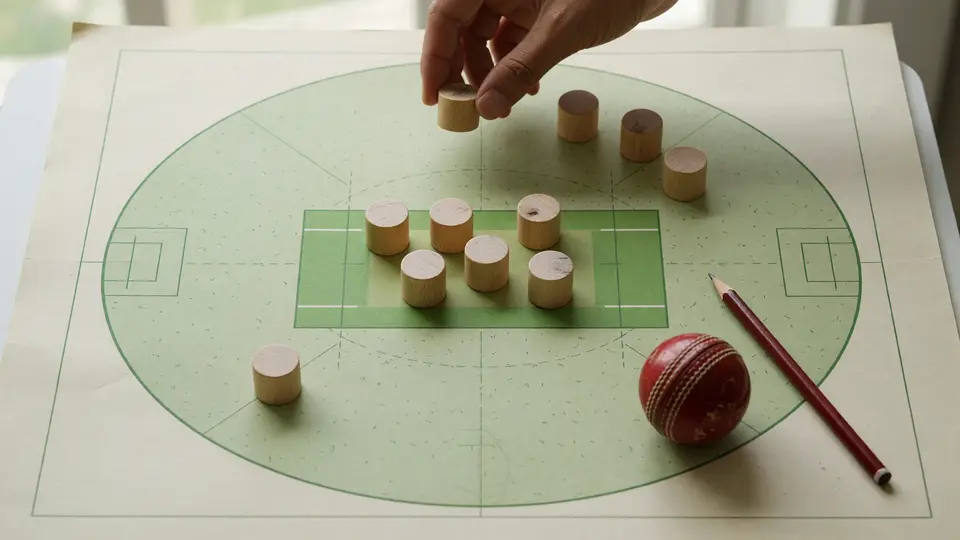
The teams desk closes its read with a note on the per-franchise working note. The note covers squad shape, role density, captain trend and venue context. The deck refreshes the note on a weekly cadence through the cycle and retires the note at the season’s close.
The four working-note sections per franchise are the desk’s reading rather than the partner brand’s published notes. A reader who lands on the page from a fresh sign-up should treat the per-franchise note as one input rather than as a forecast.
The three squad-shape shifts the deck tracks are buy-back at the auction, release in the retention window, and auction buy outside the retention window. Each triggers a working-note update and a news-desk announcement.
The miss record on the per-franchise working note is published on the points reference. Removing the miss record on a hit week would be a standards fail; the deck retains the miss record as the instrument that holds the working note accountable.
The deck’s coverage area is published on the about page. A reader who wants a different area of coverage is welcome to send a corrections email with a proposed coverage-area addition.