11Tiger fantasy tips
A working tips page grounded in venue reads, role density, captain matrix, contest fit and lock-and-walk-away. Five small disciplines that compound.
Fantasy cricket tips written as a working list rather than a hype reel. Five small disciplines, applied once per fixture, that compound across a season. The desk does not promise returns on the tips; the tips make decisions visible so the reader can decide where they sit on the floor-or-ceiling axis.

Tip 1 — Venue first, players second
The single highest-leverage tip. Most losing teams fail on a single dimension — captain choice, role balance, contest size or toss timing. The venue is the cheapest place to start because it dominates the bowler choice more than any player form note. A dry Wankhede is a wrist-spinner’s night; a green Mohali is a quicks’ afternoon; a tight Chinnaswamy rewards boundaries over dots.
The desk’s venue note is published on the live-matches page and on each fixture card. The reader’s first five minutes of any selection should be reading the venue note.
Tip 2 — Role density, not star count
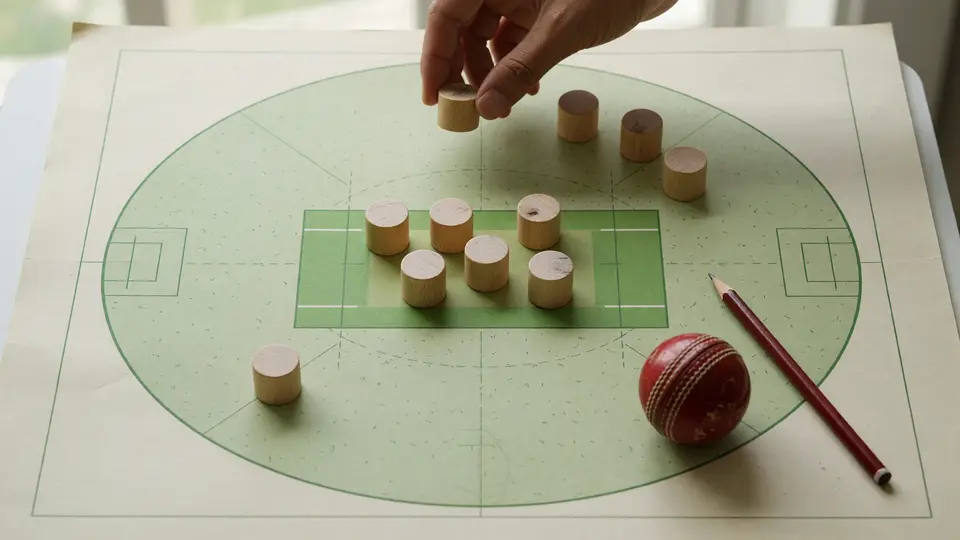
A common trap is to fill the squad with stars from the most-owned team. Stars score in bursts; role density scores in steady points. A working default is 1 wk, 3 ar, 4 bat or 2 wk, 2 ar, 4 bat — a balance that holds across most venues.
Override the default only when the venue note demands it. A green seamer on a morning start pushes the bowler count to 3 or 4. A flat batting deck pushes the batter count to 5 or 6. The override rule is the rule, not the default.

Tip 3 — Captain from the strongest role
Pick captain from the strongest role category the team’s playing XI belongs to, not from your favourite player. A captain from a middle-order slot at a small boundary is a different pick from a captain in the powerplay. The matrix rules sit on the captain-vice-captain page; the working summary is here.
Place the vice-captain in a different matchup. The 1.5× insurance stays live if the captain’s matchup goes cold but the vice-captain’s matchup lights up.
Tip 4 — Pick the contest that fits the team
Small leagues
Differential picks reward. 2-5 entries. The captain swings the result.
Head-to-head
Floor teams survive. 1v1. Roles matter more than stars.
Mega contests
Ceiling teams and broader captain set. Reduced opponent influence.
Practice contests
Free entry, points credited. Used to validate a working default before spending.

Tip 5 — Lock and walk away
Save once. Review once. Lock the team. Refreshes between deadline and toss cost more than they return. Each refresh is a fresh opportunity to second-guess the prior pick, which is rarely an improvement.
The discipline is a habit, not a rule. The habit compounds across a season. The deck’s miss record on the points reference makes the same point: the teams that locked-and-walked-away outperformed the teams that kept refreshing, on average, across a 30-tournament read.
Three habits that lose money
⚠️ Five-bowler bias
Loading five bowlers to chase the seam-friendly note and ignoring the role default when the toss turns out wrong. Role density first; bowler count second.
⚠️ Star pile
Stacking four stars from the most-owned team. Wins on a ceiling night, loses on a floor night. Role density would have served both.
⚠️ Refresh-and-edit
Edits after the toss to chase the latest pitch note. Lock once and walk away; second-guessing is a discipline loss.
⚠️ Bonus stacking
Adding a bonus to a contest the reader is already stretched on. Bonuses are an output, not an input.
Frequently asked questions
What is the single highest-leverage tip?
Read the venue note before picking five bowlers. Boundary length and dew window decide bowler value more than any player form note.
What is the role default?
1 wk, 3 ar, 4 bat or 2 wk, 2 ar, 4 bat — whichever fits the venue note. Override the default only when the venue note demands it.
Where does the captain matrix live?
On the captain-vice-captain page. The working summary is on this page.
How do I match contest to team?
Small leagues for differentials. Head-to-heads for floors. Mega contests for ceilings. Practice contests to validate the working default.
Does the desk promise returns on these tips?
No. The tips make decisions visible. The contest decision belongs to the reader.
Continue reading
Reading checklist
A working checklist for the reader who lands on this page looking for the highest-leverage fantasy-cricket tips. The page is a working tip list; the checklist is a quick way to confirm the discipline is in place before the next fixture card.
Three questions to ask before the next fixture card. Is the venue note read before the playing XI? Is the role default aligned with the venue note? Is the captain pick from the strongest role category?
What the desk does well. The five tips are short, numbered and grounded in the deck’s reading of the methodology. The anti-patterns section names the habits that lose money. The FAQ section answers the most common follow-up questions.
What the desk is still working on. A reader-side worksheet for the anti-pattern self-check. A public table of the deck’s measured adherence to the discipline across a 30-tournament sample.
A reading cadence the desk recommends. Read the page once on a quiet afternoon. Re-read whenever the partner brand updates its rule book.
Desk note: the five tips in detail
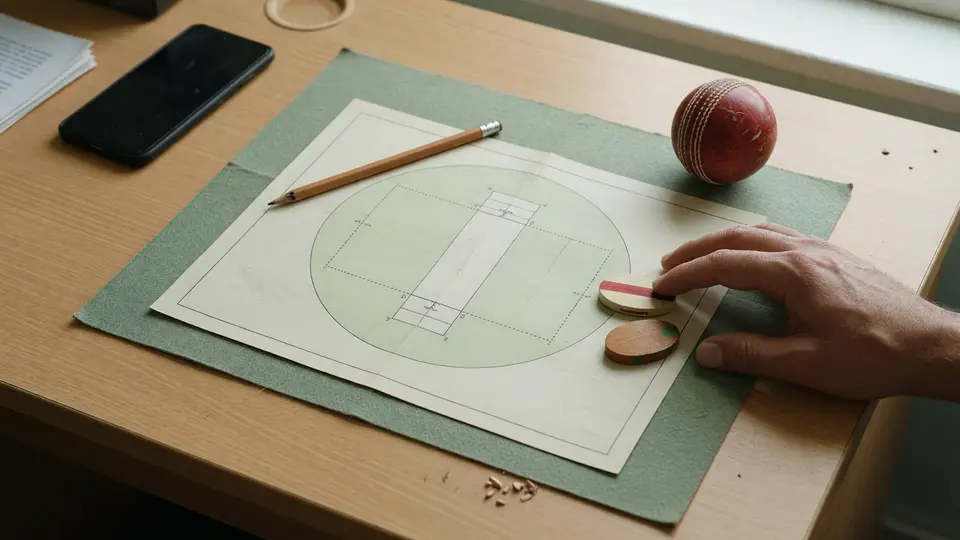
The five tips on this page are short, numbered and grounded in the deck’s reading of the methodology. Each tip is described in detail in the page sections above. The desk’s working note on each tip follows here.
Tip 1 — Venue first. The deck’s reading is that the venue note is the single highest-leverage input to any selection. The boundary length, the grass cover and the dew window decide the bowler choice more than any player form note. A reader who reads the venue note before the playing XI is the reader who has the captain-matrix rule in place.
Tip 2 — Role density. The deck’s working default is 1 wk, 3 ar, 4 bat or 2 wk, 2 ar, 4 bat. The override is a venue-driven shift, not a reader-driven shift. A reader who defaults to five bowlers on a flat batting deck has the wrong role density for the venue.
Tip 3 — Captain from strongest role. The deck’s captain-matrix rules sit on the captain-vice-captain page. The working summary is on this page. The reader’s captain pick survives the venue-note filter only when the pick is from the strongest role category.
Tip 4 — Contest-fit fourth. The deck’s four-contest-types section covers the menu shapes the deck tracks. The reader’s contest pick survives the team-shape filter only when the pick matches the team’s strongest role category.
Tip 5 — Lock and walk away. The discipline of locking the team at the toss and walking away from the screen compounds across a season. The discipline’s counterweight is the refresh-and-edit habit.
Limits of the tips
The tips on this page are the desk’s recommendations, not a guarantee. The five tips are short, numbered and grounded in the deck’s reading of the methodology; each tip is a discipline, not a forecast.
The tips’ miss record is published on the points reference. A reader who applies the tips and loses has applied a discipline that does not promise a return; the miss record is the instrument that holds the recommendations accountable.
The tips’ jurisdiction scope is the desk’s state-by-state read on the legal page. A reader who places a paid entry in a restricted jurisdiction should check the desk’s read first; the deck does not publish a personal-jurisdiction override.

Caveats on the tips page
Three caveats the desk publishes on the tips page. The tips are the desk’s recommendations, not a guarantee. The five tips are short, numbered and grounded in the desk’s reading of the methodology.
The second caveat: each tip is a discipline, not a forecast. A reader who applies the tips and loses has applied a discipline that does not promise a return.
The third caveat: the tips’ miss record is published on the points reference. The miss record is the instrument that holds the recommendations accountable; removing it on a hit week would be a standards fail.
A reader who has found a tip-orthogonal behaviour the desk has not named is welcome to send the corrections email; the next fantasy-tips-page refresh reflects the new caveat.

Closing note from the desk
The fantasy-tips desk closes its read with a note on the five tips. Each tip is grounded in the deck’s reading of the methodology and is grounded in publicly verifiable material. The five tips are venue first, role density, captain from strongest role, contest-fit fourth, and lock-and-walk-away fifth.
The three anti-patterns the desk publishes are the five-bowler bias, the star pile, the refresh-and-edit habit, and the bonus stacking. Each anti-pattern is named with the fix the deck recommends.
The two habits the deck weights highest across the methodology are the venue note first habit and the lock-and-walk-away discipline. The discipline compounds across a season.
The miss record on the tips is published on the points reference. The miss record is the instrument that holds the recommendations accountable; removing it on a hit week would be a standards fail.
The desk’s coverage area is published on the about page. A reader who wants a different area of coverage is welcome to send a corrections email with a proposed coverage-area addition.