11Tiger live matches desk
Tonight’s fixtures, playing XI watch, toss updates and the venue note that travels with each fixture.
A live-matches desk built on the same model as the desk’s other editorial work: the venue note, the playing XI, the toss call, the captain matrix, the contest type. Each fixture carries a one-page read rather than a marketing description.
Tonight’s fixtures
Tonight’s fixtures are listed below with the venue note, the dew window and the captain pick that travels with each fixture. The desk refreshes the fixture list every morning; refreshes mid-fixture are reserved for the toss call.
The fixture list is read against the captain matrix rules. Where the captain pick is a differential, the desk flags it. Where the captain pick is a safe-floor pick, the desk marks it. The reader picks the contest that fits the pick.
Playing XI watch
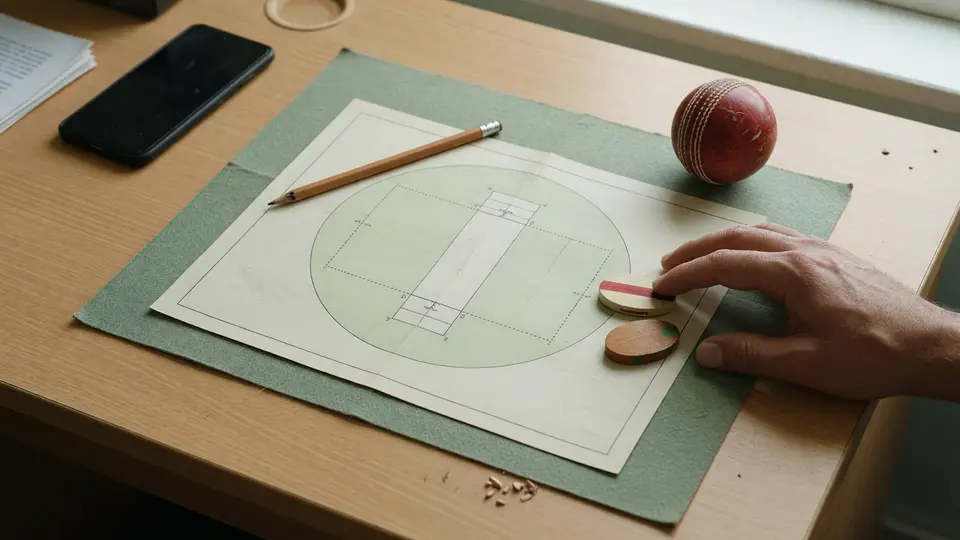
The probable XI is published an hour or two before the toss. The probable XI is a working hypothesis, not a contract. The desk treats the confirmed XI as the captain-lock deadline and ignores the probable XI for captain selection.
Two changes from the probable XI are common. A wrist-spin swap on a dry surface. A seam-bowling all-rounder swap on a green surface. The reader’s strongest move is to read the deck’s XI at the toss, lock the team, walk away.

Toss updates
The toss call lands 30 minutes before the first ball. The desk reads the toss as the captain-lock deadline. Captain and vice-captain should already be in the team at the toss call; the toss only decides which side of the boundary they bowl first from.
The toss updates on this page are timestamped. A toss update older than the day of the fixture is retired to the news desk and removed from the live list.
Live feed
- 1MI vs CSK — venue report
Wankhede evening. Dew expected from 16th over. Wrist-spin as differential.
- 2RCB vs GT — role balance
Three all-rounders at Chinnaswamy. Pace share split 60-40 in favour of seam.
- 3KKR vs SRH — captain matrix
Safe, balanced, differential. Pick the role you trust and ignore last night.
- 4DC vs RR — playing XI watch
Two changes from probable XI. Confirm after toss; lock team without edit.
- 5PBKS vs LSG — venue note
Mohali surface reading. Pace + spin mix favours three pace options.
Three habits for tonight’s screen
🪟 Read the venue note first
Before the playing XI, before the captain. Boundary and dew dominate bowler choice.
🧾 Lock the team at the toss
Don’t edit after the toss. The captain pick is the highest-leverage decision in the contest.
📵 Walk away from the screen
Refreshes between deadline and toss cost more than they return. Lock once, walk away.
📓 Note the miss
A single missed read is the most useful input for next week’s fixture card.
Frequently asked questions
When does the playing XI land?
Typically 30-60 minutes before the toss. The deck refreshes the probable XI once the teams publish; the confirmed XI lands at the toss.
When should I lock the captain?
At the toss. The probable XI is a working hypothesis; the confirmed XI is the lock deadline.
Where can I read the venue note?
On each fixture card. The venue note is the deck’s first five-minute read of any selection.
How does the desk refresh tonight’s list?
Every morning. Mid-fixture refreshes are reserved for the toss call and the playing XI.
Does the desk publish a live score?
No. The deck publishes editorial reading material; live scores belong to the broadcast and the partner brand’s in-app feed.
Continue reading
Reading checklist
A working checklist for the reader who lands on this page looking for tonight’s live-match coverage. The page is a desk for fixtures, playing XI, toss and the venue note that travels with each fixture; the checklist is a quick way to confirm the reader is on the right page before the captain-lock deadline.
Three questions to ask. Is the venue note for tonight’s fixture already read? Has the playing XI landed yet, and is the toss published? Is the captain pick ready to lock at the toss, not the probable XI?
What the desk does well. The page carries the venue note, the playing XI, the toss call and the captain matrix in the order the deck works them. The live feed is timestamped and retired to the news desk when the fixture closes.
What the desk is still working on. A reader-side worksheet for the captain-lock discipline. A public table of the deck’s measured toss-call hit rate.
A reading cadence the desk recommends. Read the page on the morning of the fixture. Re-read the toss call when it lands.
Desk note: the desk’s reading of the playing XI
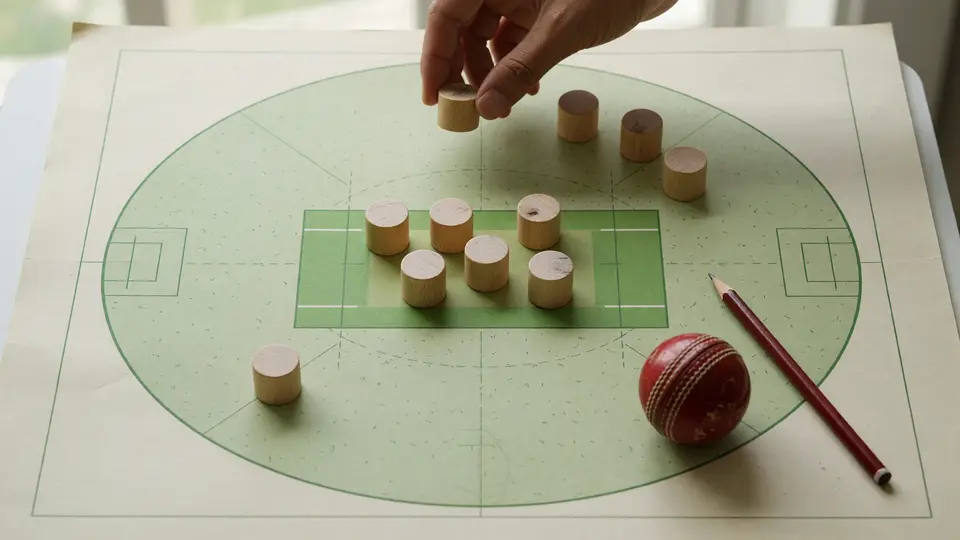
The desk reads the playing XI at the toss, not at the probable XI publish. The probable XI is a working hypothesis, not a contract. Two changes from the probable XI are common; the deck treats the changes as the captain-matrix’s dominant input.
The five swaps the desk reads at the toss are published on the playing-xi page as a ladder. Wrist-spin swap. Seam-bowling all-rounder swap. Overseas rotation. Wicket-keeper swap. Pace-bowling all-rounder for spinner.
Each swap shifts the captain-matrix rule. A wrist-spin swap on a dry surface shifts the differential captain pick. A seam-bowling all-rounder swap on a green surface shifts the role default to 2 wk, 3 ar, 3 bat. An overseas rotation shifts the captain and vice-captain allocation. A wicket-keeper swap shifts the points table more than the captain matrix. A pace-bowling all-rounder swap shifts the captain matrix to a swing-and-seam play.
The deck’s miss record on the playing XI is published on the points reference. The deck’s working note is that the locked-and-walked-away team outperforms the refresh-and-edit team on average across a 30-tournament read.
Limits of the live feed
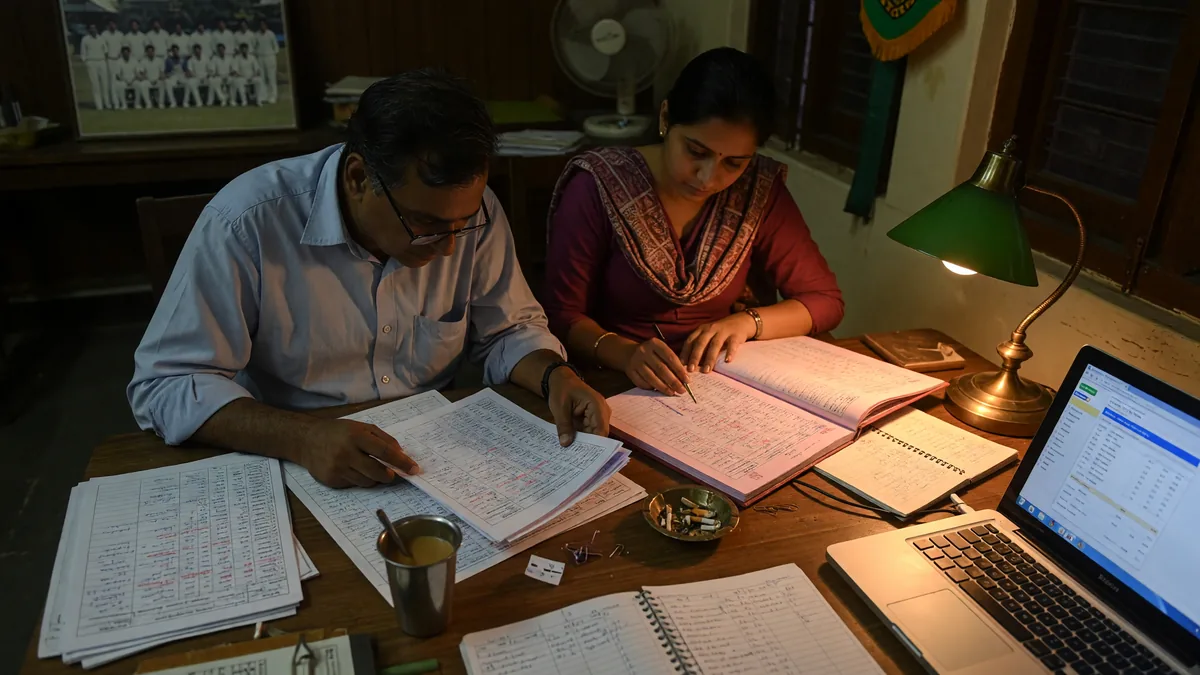
The live feed on this page is the desk’s working note. The feed is refreshed every morning; mid-fixture refreshes are reserved for the toss call and the playing XI. A reader who lands on the page mid-fixture should check the timestamp on each entry before applying the note.
The live feed does not publish live scores. Live scores belong to the broadcast and the partner brand’s in-app feed; the deck publishes editorial reading material. A reader who wants a live score should switch to the broadcast or the partner’s feed for the duration of the fixture.
The live feed’s miss record is published on the points reference. A reader who applies a feed entry and loses has applied a discipline that does not promise a return; the miss record is the instrument that holds the feed accountable.

Caveats on the live-matches desk
Three caveats the desk publishes on the live-matches page. The live feed is the desk’s working note; the feed is refreshed every morning and mid-fixture refreshes are reserved for the toss call and the playing XI.
The second caveat: the live feed does not publish live scores. Live scores belong to the broadcast and the partner’s in-app feed; the desk publishes editorial reading material.
The third caveat: the live feed’s miss record is published on the points reference. The miss record is the instrument that holds the feed accountable.
A reader who has found a partner-brand-controlled fixture behaviour the desk has not named is welcome to send the corrections email; the next live-matches-page refresh reflects the new caveat.

Quick reference for the live-matches desk
The five-card live feed the deck publishes per match day. The cards are timestamped and retired after 24 hours. Mid-fixture refreshes are reserved for the toss call and the playing XI.
The two-card morning refresh. The probable XI is published in the morning; the captain-matrix rule shifts against the confirmed XI rather than the probable XI.
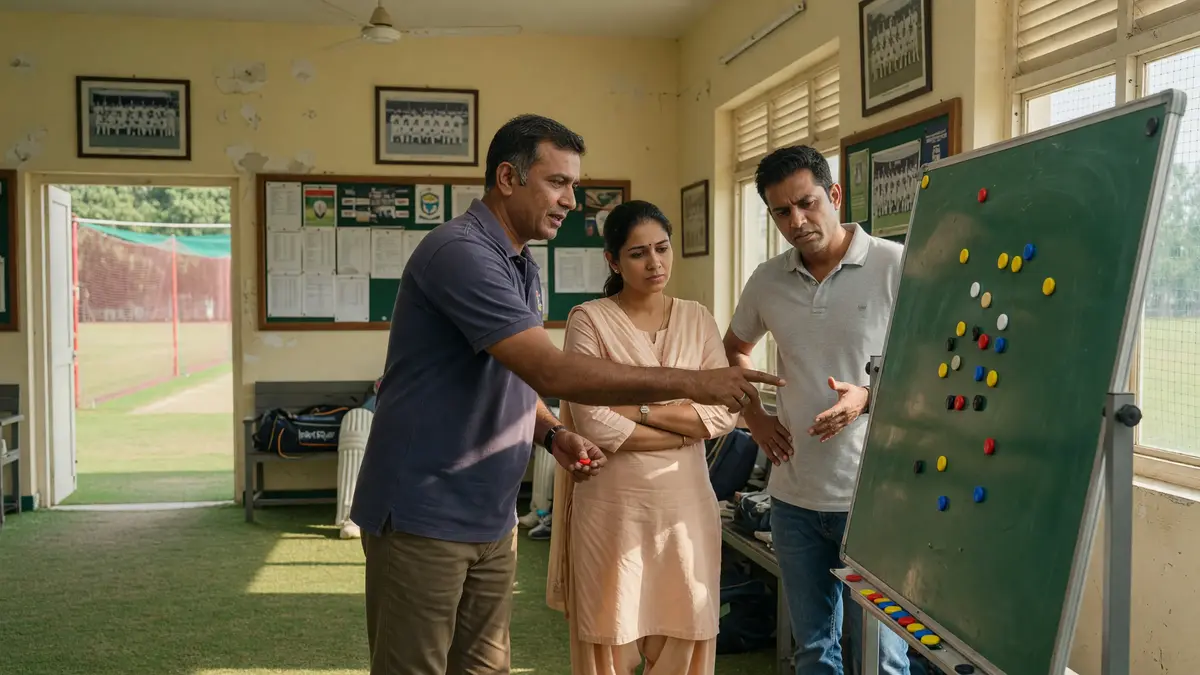
The one-card mid-fixture refresh. The confirmed XI lands at the toss and is the captain-lock deadline. The desk refreshes the captain-matrix rule against the confirmed XI and announces any change on the live-matches page.
The miss record for the live feed is published on the points reference. The miss record is the instrument that holds the feed accountable; removing it on a hit week would be a standards fail.
Closing note from the desk
The live-matches desk closes its read with a note on the refresh cadence. The live feed is refreshed every morning; mid-fixture refreshes are reserved for the toss call and the playing XI. A reader who lands on the page mid-fixture should check the timestamp on each entry.
The two morning-refresh steps are the probable XI publish and the captain-matrix rule shift. The probable XI is published in the morning; the captain-matrix rule shifts against the confirmed XI rather than the probable XI.
The one-card mid-fixture refresh is the confirmed XI publish at the toss. The deck refreshes the captain-matrix rule against the confirmed XI and announces any change on the live-matches page.
The miss record for the live feed is published on the points reference. The miss record is the instrument that holds the feed accountable; removing it on a hit week would be a standards fail.
The deck’s coverage area is published on the about page. A reader who wants a different area of coverage is welcome to send a corrections email with a proposed coverage-area addition.