About the 11Tiger editorial desk
Mission, editorial standards and the method behind every page this desk publishes. Built to make decisions visible.
An about page written as a working document rather than a marketing one. The mission, the editorial standards, the method behind every page and the limits the desk accepts publicly.
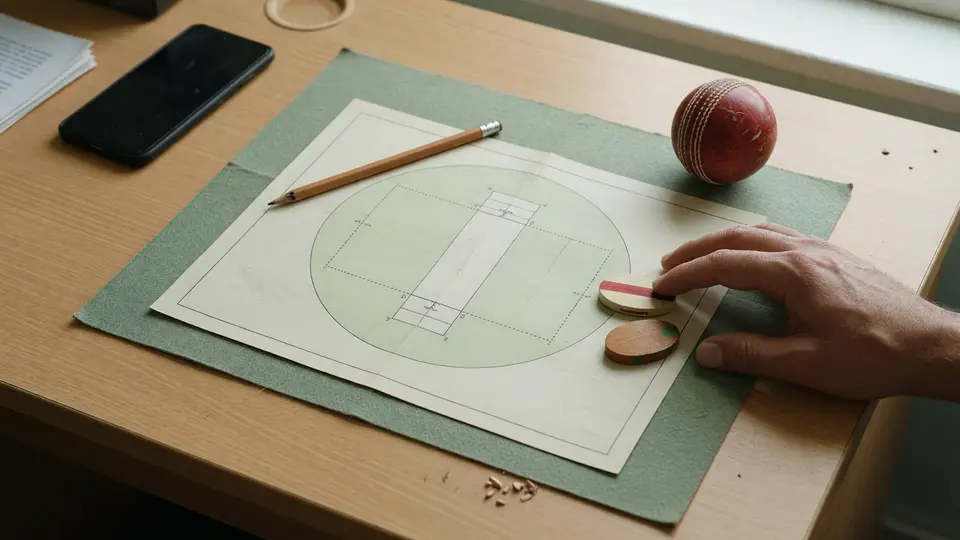
Mission
The desk’s mission is to publish evidence, methodology and verification checks that help a fantasy-cricket reader make a better decision than the one they would make without the desk. The mission is descriptive, not aspirational — every page the desk publishes is read against the same mission statement and amended publicly when it drifts.
The desk treats the brand as one input among many, not as the authority. The reader makes the call. The desk’s job is to keep the inputs visible: the venue note, the role balance, the captain matrix, the contest type, the evidence. The desk’s further job is to refuse the things that cannot be sourced — betting odds, partner-controlled forecasts, refund-rate comparisons — rather than to publish a soft version in their place.

Editorial standards
Five standards govern every page this desk publishes. Source citation on every claim. Separation of verified from single-source. Separation of forecast from evidence. Separation of editorial from marketing. A public unknowns log on every research page.
Each standard is enforced by the desk’s own review rather than by external audit. Source citation means a named location — a partner brand URL, a state gazette, an official fixture page — not a generic descriptor. Verified means at least two independent sources; single-source items are flagged until corroborated or removed. Forecast items are confined to the predictions hub; an aspirational line on the home page is treated as a standards fail.
Method
Venue data first
Open the venue note. Boundary length, grass cover and dew window decide bowler type before any player pool is consulted.
Role balance second
Decide role mix before picking names. Three all-rounders, two specialist quicks, one wrist-spin option is a working default for most fixtures; the desk overrides the default only when the venue note demands it.
Captain matrix third
Pick captain from your strongest role category, not your favourite player. Place vice-captain in a different matchup so the 1.5× insurance stays live.
Contest-fit fourth
Small leagues reward differentials. Head-to-heads reward floors. Large contests reward ceilings. Pick the contest that matches the team, not the other way round.
Lock and walk away fifth
Save once. Review once. Lock the team. Refreshes between deadline and toss cost more than they return.

Limits the desk accepts
The desk accepts that it is not the partner brand. It cannot independently verify every claim the partner brand makes, cannot outpace the brand on ownership or licensing questions, and cannot shield a reader from jurisdiction variation. When verification fails, the right move is to flag the failure publicly rather than to publish a soft prediction in its place.
The desk also accepts that fantasy cricket outcomes depend on player form, pitch behaviour and contest size in ways no framework fully captures. The methodology is a discipline that makes decisions visible, not a forecast that promises returns. The desk publishes its misses alongside its hits on the points reference and refuses to remove the miss record when a hit follows.
What the desk refuses to publish
✋ Betting odds
The desk does not compile or reshare betting odds. A reader’s contest decision is a separate problem from the odds market, and the two are kept separate.
✋ Return forecasts
Forecasts imply an authority the desk does not have. Methodology, evidence, and verification checks are published in their place.
✋ Unverifiable partner claims
When a brand-controlled claim cannot be matched to a publicly available source, the desk flags it rather than republishes it.
✋ Marketing copy
Promotional copy belongs on the partner brand’s own channels. The desk’s prose is written for the reader, not the conversion funnel.
Frequently asked questions
What is the desk’s mission?
To publish evidence, methodology and verification checks that help a fantasy-cricket reader make a better decision than the one they would make without the desk.
What does the desk refuse to publish?
Betting odds, return forecasts, and any claim a brand has not made publicly. The desk publishes reading lists, methodology notes and verification checks.
Who funds the desk?
The desk is funded by affiliate traffic to licensed fantasy-cricket platforms. Funding sources are disclosed on the contact page and are kept separate from editorial decisions.
Does the desk take brand submissions?
Yes, on review pages only. Submissions are treated as one input among many and are not edited into existence when verification fails.
How are disputes resolved?
Disputed facts are logged on the relevant page’s unknowns list. The desk does not retract a logged fact in response to brand pressure; the desk retracts only when its own review finds an error.
Continue reading
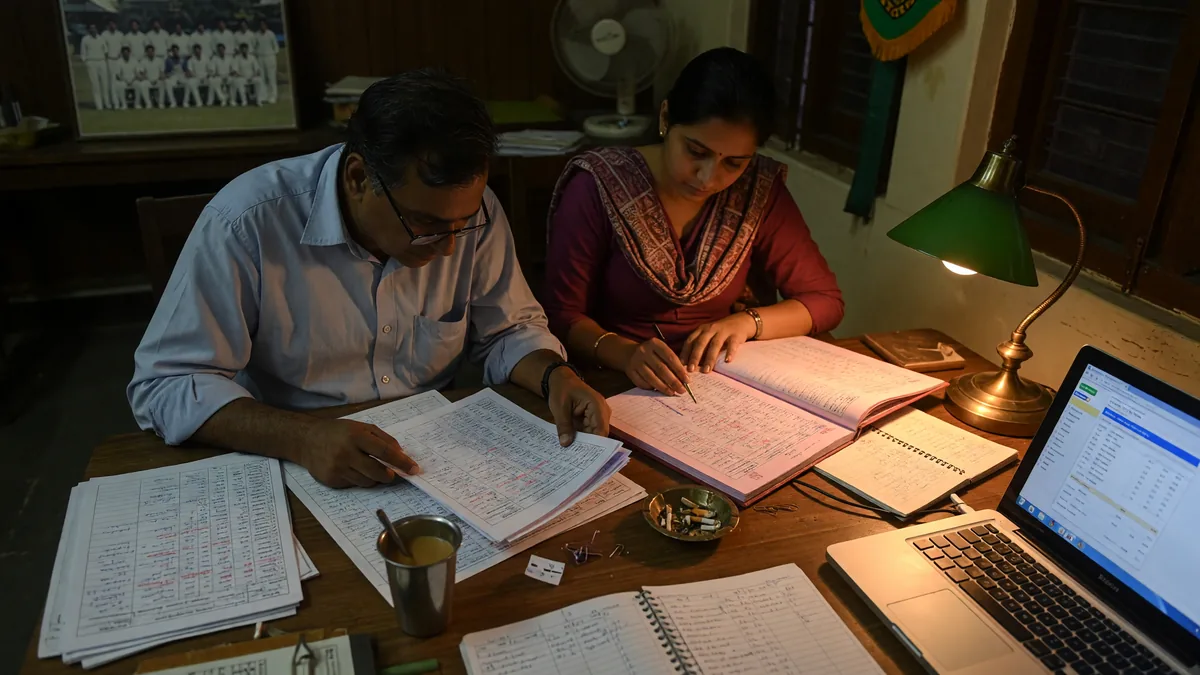
Reading checklist
A working checklist for the reader who lands on this page from the footer or from the home desk. The desk’s purpose is to publish editorial reading material; the reader’s purpose is to decide whether this desk is a useful input to the contest decision they are about to make.
The two questions to ask, in order. Does the desk publish what the reader actually needs to know about the partner brand, or does it republish marketing copy under a different label? Does the desk publish a methodology the reader can re-walk on their own, or does it publish a forecast the reader has to take on trust? Where the answer to either is “no”, the page is not yet the desk’s standard and the issue is logged on the public editor line.
What the desk does well. Mission and standards are published in plain language and the standards are tested against the deck’s own pages. The method is published in five steps rather than as a single narrative. The limits are published as a list the reader can re-walk.
What the desk is still working on. The verification ladder could be made visible on more pages; the responsible-play guardrails are still soft on the home desk and stronger only after sign-in. The public editor line is weekly; a faster cadence is a future improvement.
A reading cadence the desk recommends. Read the mission once on a quiet afternoon. Re-read the standards whenever the desk changes a published verdict. Re-read the method once per fixture cycle to re-confirm the discipline.
Desk note: the desk’s editorial standards in practice
The standards on this page are not aspirational. Each one is tested against the deck’s own published material on a monthly review cadence. A page that fails the review is corrected on the corrections cadence (48 hours) and the change is logged on the public editor line.
The five standards are listed in the order the desk works them. Source citation is the first gate; a claim that lacks a named location does not advance past the desk’s first-line review. The separation of verified from single-source follows; a single-source claim that cannot find a corroborating source is flagged on the relevant page rather than republished under a “verified” label.
The separation of forecast from evidence is the third gate; the deck’s editorial material does not contain forecasts, and the predictions hub is the only place a reader will find a forecast, and only inside a 24-hour refresh window. The separation of editorial from marketing follows; the deck’s prose is written for the reader, not for the conversion funnel. A phrase that reads like a partner-brand-controlled sentence is rewritten or removed.
The public unknowns log is the fifth gate; every research page carries a list of items the desk has been unable to verify from public records, with a date stamp and a “not yet confirmed” note. The unknowns list is updated whenever the desk’s monthly review finds a new verification or a still-open item.
The standards are deliberately boring. A reader who lands on the deck’s pages is looking for evidence and methodology, not for a marketing reel. The standards make the evidence visible and the methodology re-walkable. That is the deck’s working definition of editorial.

Limits the desk accepts
The desk accepts a finite list of limits and publishes them in plain language. The desk does not accept authority it has not earned. The desk does not accept verification it has not performed. The desk does not accept marketing copy as evidence.
The desk accepts that single-source claims are not yet verified. The desk accepts that a forecast is not evidence. The desk accepts that its miss record is part of its publishing.
The desk accepts that a reader who lands on this page is making a paid-entry decision somewhere. The desk’s editorial material is one input to that decision. The contest decision belongs to the reader.